Harmondsworth wedding flowers case study barn before and after
Posted on 26/09/2026
If you are looking at a Harmondsworth wedding flowers case study barn before and after, you are probably trying to picture the actual transformation, not just the finished bouquet. Fair enough. A barn venue can look plain, rustic, or even a little unfinished before flowers go in. Then the right floral design lands, and the whole room changes. Softer. Warmer. More intentional. Suddenly the space feels like a wedding, not just a venue with tables.
This article breaks down what that kind of before-and-after project really involves, why it matters, and how to plan it well. You will also find practical guidance on styling choices, timing, common mistakes, and the details people often forget until the last minute. If you are comparing wedding floristry options in the area, it may also help to look at wedding flowers in Harmondsworth UB7 and the broader florist Harmondsworth UB7 service pages for context on local delivery and arrangements.
Truth be told, barn weddings are lovely but they can be a little unforgiving too. Bare beams, neutral walls, long sightlines, and lots of open space mean every floral decision shows. That is exactly why a strong before-and-after approach works so well here.
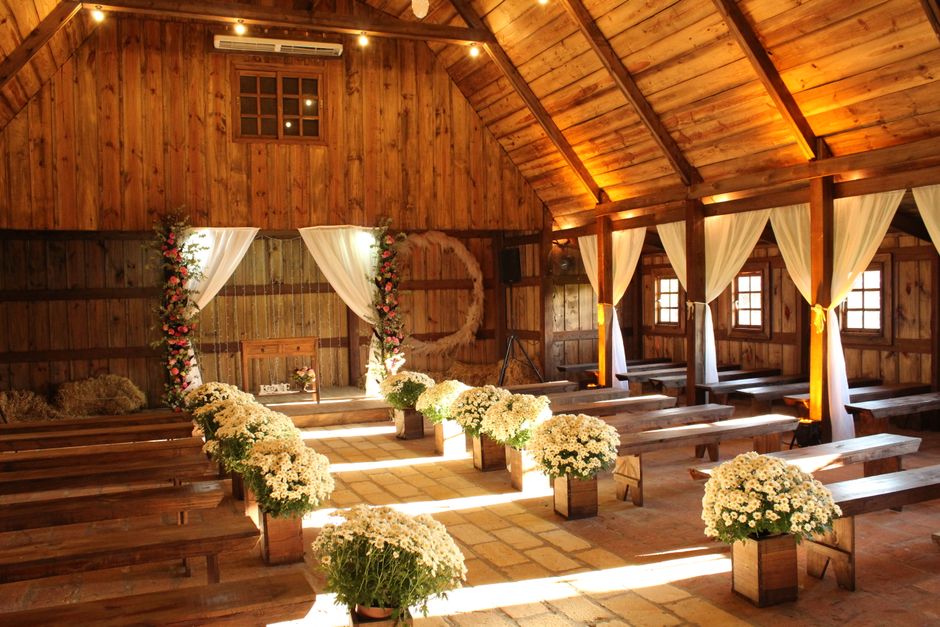
Table of Contents
- Why Harmondsworth wedding flowers case study barn before and after Matters
- How Harmondsworth wedding flowers case study barn before and after Works
- Key Benefits and Practical Advantages
- Who This Is For and When It Makes Sense
- Step-by-Step Guidance
- Expert Tips for Better Results
- Common Mistakes to Avoid
- Tools, Resources and Recommendations
- Law, Compliance, Standards, or Best Practice
- Options, Methods, or Comparison Table
- Case Study or Real-World Example
- Practical Checklist
- Conclusion
- Frequently Asked Questions
Why Harmondsworth wedding flowers case study barn before and after Matters
A barn venue is often chosen because it feels relaxed, characterful, and slightly romantic without trying too hard. But that same open, stripped-back quality means flowers do more than decorate. They shape the room. They guide the eye. They help define the ceremony area, soften hard edges, and make the photos feel cohesive.
That is why a barn wedding flowers case study is useful. Before-and-after images tell you how a venue changes once floral design is introduced. Not in a vague "it looked nice" way either. In a practical way. You can see where the focal points were placed, how much volume was needed, and whether the design made sense in daylight, evening light, or both.
For couples planning in and around Harmondsworth, this matters even more because local venues may involve a mix of rustic interiors, heritage details, and practical logistics such as loading access, setup timing, and whether arrangements need to travel well on narrow roads or through busy delivery windows. The pretty bit is the visible part. The planning bit is what keeps the pretty bit from falling apart.
There is also a trust factor. A before-and-after case study gives you evidence of style consistency. If you like the look of a particular wedding installation, you can judge whether it came from lush greenery, airy meadow flowers, or structured rose-led arrangements. That is much more useful than staring at a single bouquet photo and hoping the rest will magically work itself out. Spoiler: it rarely does.
How Harmondsworth wedding flowers case study barn before and after Works
The process is simple in principle, but the details matter. You start with the barn as it is: empty, neutral, sometimes echoey, often full of visual space. Then you plan floral layers around the venue's key moments.
The typical before-and-after flow
- Venue assessment - Look at the barn in natural light, identify ceremony and reception zones, and note any features worth highlighting or disguising.
- Style mapping - Decide the mood: romantic, wild, classic, minimal, country garden, or luxury barn.
- Flower selection - Choose blooms and greenery that match season, colour palette, and budget.
- Placement plan - Work out where flowers will have the most visual impact: entrance, aisle, registrar table, top table, centrepieces, cake table, and possibly staircase or signage.
- Setup and layering - Install the larger pieces first, then add detail so the room feels balanced rather than overfilled.
- After review - Check the room from guest eye level, from the ceremony view, and from the photographer's angle. That last one is not optional, by the way.
In a barn setting, the "after" effect usually comes from contrast. Soft floral movement against rustic textures. Colour against timber. Fresh petals against old beams. The right balance makes the whole place feel more refined without losing its charm.
Some couples ask whether the flowers should "match" the barn. Not exactly. They should complement it. A barn already has personality; flowers should bring warmth and direction, not compete with the building for attention. Unless the barn is being very dramatic. Happens more often than you'd think.
Key Benefits and Practical Advantages
A well-planned barn flower transformation delivers more than a pretty room. It creates structure, atmosphere, and flow. That sounds simple, but it is usually the difference between a venue that feels decorated and a venue that feels curated.
- Stronger first impression - Guests walk in and immediately feel the tone of the day.
- Better photography - Floral layers soften harsh lines and help frame important moments.
- Clearer ceremony focus - Arrangements can direct attention to the couple rather than the room's empty corners.
- Improved colour cohesion - Flowers help tie together linens, stationery, dresses, and tableware.
- More polished barn styling - Rustic venues can feel elegant without losing their natural character.
- Flexible budget control - You can invest in high-impact areas and keep simpler arrangements elsewhere.
A particularly practical advantage is that flowers can solve visual problems. Long blank walls? Tall arrangements help. Low ceilings? Softer, lower designs stop the room from feeling crowded. Dark timber interior? Lighter blooms can lift it. Open-plan barn with lots of visible space? Repetition in bouquet style and table design creates a calm rhythm.
When done well, the "after" doesn't scream for attention. It just feels right. That is the real win.
Who This Is For and When It Makes Sense
This kind of floral planning is most useful for couples who want their venue to do more than simply hold the ceremony. If you care about ambience, photographs, and guest experience, then yes, a before-and-after approach makes sense.
It is especially relevant if you are:
- getting married in a barn, hall, converted farm building, or rustic wedding space
- trying to decide how much floral investment is enough
- comparing styles and want to see how a venue changes in practice
- working with a tight turnaround or setup window
- planning a colour-led wedding where flowers are part of the visual identity
- looking for a local florist who understands venue layout as well as bouquets
It also helps if you are hosting guests who may be arriving in waves, because entrance flowers, welcome displays, and aisle styling can make the whole event feel coherent from the moment people step in. That first minute matters more than couples usually expect.
If your wedding style is very minimal and you only want one bouquet and a handful of table flowers, that is fine too. But the question is still the same: where will the flowers have the most impact? A before-and-after lens helps answer that without wasting money on bits that will barely be noticed.
Step-by-Step Guidance
Here is a practical way to plan the floral side of a barn wedding transformation without getting buried in Pinterest chaos.
1. Walk the venue before finalising the design
Take note of the barn's natural light, entrance points, table layout, and any fixed features like beams, brick, or exposed stone. Ask yourself what the room needs: softness, height, colour, or simply a bit of focus.
2. Identify the hero moments
Not every area needs a big floral statement. Usually, the most important spots are the ceremony backdrop, top table, dining tables, welcome area, and key photo spots. If budgets are sensible, not every corner gets a centrepiece. That is normal.
3. Choose a colour story
Pick a palette that works with the barn rather than fighting it. White and green is classic and airy. Blush and ivory feels romantic. Deep berry tones create richness in evening light. Mixed garden tones suit a looser country feel. If you want to see how different colour directions sit in a shop context, browsing ranges like white flowers, pink flowers, or mixed colours can help narrow the mood quickly.
4. Match bloom type to structure
Larger arrangements often benefit from roses, lilies, hydrangeas, orchids, or lisianthus depending on season and look. Looser meadow styles often use softer mixed stems and more visible greenery. The point is not to cram in every flower you like. It is to make the room feel balanced.
5. Build from large to small
Start with statement pieces: ceremony arch, mantel, entrance urns, aisle clusters, or top-table florals. Then add the smaller supporting pieces: bouquets, buttonholes, centrepieces, and cake flowers. This order keeps the design visually steady.
6. Recheck the room from guest level
Stand where guests will stand. Sit where they will sit. Look at the barn from the photographer's angle too. A floral design can look perfect from the supplier's table and slightly odd from six metres away. That happens.
7. Plan for breakdown and reuse
Good wedding flowers work hard. Ceremony arrangements can sometimes be moved into the reception area. Entrance pieces may later frame the cake table. This kind of repurposing is one of the simplest ways to improve value without cutting visual quality.
Expert Tips for Better Results
A few small decisions usually make the biggest difference. In our experience, couples remember the feel of the room more than the exact flower names, so focus on texture, proportion, and placement.
- Use repeated elements - Repeating the same bloom across bouquet, centrepiece, and ceremony styling creates cohesion.
- Balance height and softness - Too many tall arrangements can feel formal; too many low ones can disappear in a barn.
- Don't overfill the room - Barns often need breathing space. Flowers should frame the venue, not smother it.
- Think in zones - Treat ceremony, dining, welcome, and photo areas as separate but connected parts of the same story.
- Choose flowers with good visual "read" - Some blooms photograph better from a distance than others. This matters more than people think.
- Consider scent carefully - Fragrant flowers are lovely, but heavy scent near dining tables can be distracting.
A slightly cheeky truth: more flowers is not always more luxury. Sometimes it is just more flowers. There's a difference. The best installations know when to stop.
Another thing worth saying plainly is that the room should look finished in daylight and under evening lighting. Barns can change character a lot as the day moves on. What looks airy at 2pm might feel darker by 7pm. If your reception runs into the evening, ask for florals that still hold their shape and colour after the light drops.
Common Mistakes to Avoid
Most floral problems in barn weddings are not about bad taste. They come from rushing decisions or not considering the venue properly.
- Ignoring scale - Tiny arrangements can vanish in a large barn. Oversized ones can overwhelm small spaces.
- Choosing flowers without checking seasonality - Some blooms are harder to source at certain times of year, and that can affect look or cost.
- Forgetting delivery and setup timing - A beautiful design is pointless if it arrives too late or wilts before guests come in.
- Not planning table sightlines - Guests need to talk to each other, not stare at a hedge of flowers blocking the person opposite.
- Trying to match every item perfectly - A little variation often feels more natural and less staged.
- Leaving logistics until the end - Access, unloading, water supply, and storage all matter more than they sound.
One small but common issue: couples approve flowers from online images without thinking about their venue's colour temperature. Warm bulbs, daylight, stone walls, and wooden floors all shift how flowers appear. It is one of those unglamorous details that quietly decides whether the room feels dreamy or slightly off.
Tools, Resources and Recommendations
You do not need complicated software to plan barn wedding flowers, but a few practical tools make the process much easier.
- Venue photos - Daytime and evening images help you understand how the room changes.
- Simple mood board - Keep it focused on palette, shape, and texture rather than dozens of random screenshots.
- Table plan - Helps you estimate how many centrepieces or smaller florals are needed.
- Budget breakdown - Separate the costs for bouquets, ceremony florals, reception florals, delivery, and setup.
- Timeline - Wedding flowers are timing-sensitive, so a clear schedule prevents avoidable stress.
For product inspiration, browsing a florist's wedding-focused collection can help you identify styles that translate well into a barn setting. The wedding collection, bridal bouquets, table arrangements, and buttonholes pages are useful places to compare structure and finish. For couples wanting a broader, cohesive look, a dedicated set such as white wedding styling or romantic wedding styling can be especially helpful.
If you need to balance elegance with budget, it also makes sense to compare the full wedding look against simpler support pieces. Sometimes the smartest move is one substantial ceremony feature, lighter table flowers, and bouquet work that ties the whole thing together. Sensible, not flashy. It works.
Law, Compliance, Standards, or Best Practice
Wedding floristry is not heavily regulated in the way some industries are, but there are still sensible standards to follow. In the UK, professionalism usually means clear communication about delivery windows, venue access, substitutions, and what happens if a flower is unavailable. That kind of transparency matters.
For barn venues, best practice usually includes:
- confirming setup and collection times with the venue
- checking whether candles, hooks, or hanging installations are allowed
- making sure arrangements do not block fire exits or walkways
- using water-safe containers and secure supports for larger designs
- agreeing what happens if weather affects transport or display
- handling any personal data, order details, and payment information appropriately
If you are arranging flowers for a wedding where multiple suppliers are involved, clear written confirmation is a good idea. It reduces misunderstandings about colour swaps, timing, and responsibilities. Boring? A bit. Useful? Absolutely.
It is also worth checking practical policies such as delivery terms, returns, and guarantees before ordering. A good florist should be able to explain these plainly. No mystery language. No shrugging. Just clear answers.
Options, Methods, or Comparison Table
There is more than one way to style a barn wedding with flowers. The best choice depends on the room, the budget, and how dramatic you want the before-and-after effect to feel.
| Method | What it looks like | Best for | Main trade-off |
|---|---|---|---|
| Statement entrance + simple tables | Big impact at arrival, lighter reception styling | Couples prioritising first impressions | Less visual density during dinner |
| Ceremony-focused styling | Strong aisle or backdrop flowers, minimal elsewhere | Photo-led weddings | Reception may feel simpler |
| Full-room floral layering | Flowers across entrance, ceremony, tables, and focal points | Luxury barn weddings | Higher cost and more setup planning |
| Budget-conscious focal design | One or two hero pieces plus smaller supporting arrangements | Value-driven couples | Needs careful placement to avoid looking sparse |
For many Harmondsworth weddings, the middle ground is best: one or two stronger focal points, then a restrained but thoughtful spread of supporting flowers. That gives you the after effect without trying to turn the barn into a conservatory.
Case Study or Real-World Example
Here is a realistic example of how a barn venue transformation might unfold, based on the kind of work couples often request in the area.
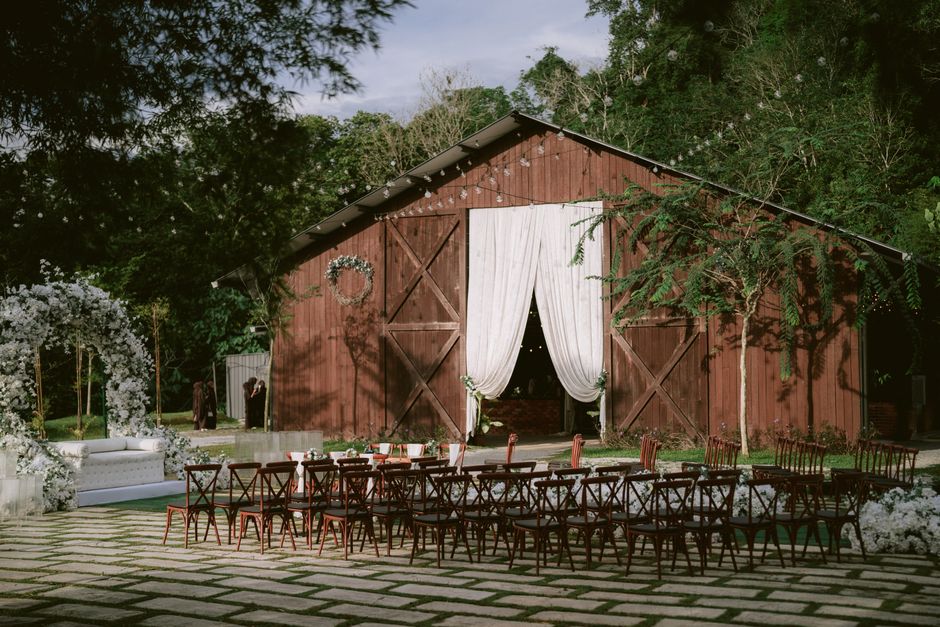
Before: the barn is a wide, neutral space with exposed wood, long tables, and plenty of visible structure. The room feels open but slightly bare. Beautiful, yes, but not yet personal. The ceremony corner looks functional rather than romantic. The dining area has good bones, but nothing softens the lines.
After: the entrance has welcoming florals that signal the tone of the day straight away. The ceremony area is framed with fuller flowers and greenery, giving the couple a natural focal point. Tables now carry low, balanced arrangements that add colour without blocking conversation. Smaller florals appear on the top table and near the cake, tying the room together.
The biggest difference is not just visual. It is emotional. Guests settle faster. The room photographs better. People walk in and lower their voices a little, which is always a sign the atmosphere has landed. That quiet, half-second pause is the magic. Honestly, it is often the best sign of all.
In a barn, the before-and-after effect works best when the flowers respect the architecture rather than hiding it. The wood still shows. The beams still matter. The florals just help the whole scene feel intentional.
Practical Checklist
Use this checklist when planning your barn wedding flowers.
- Confirm venue dimensions, access, and setup times
- Decide the main floral focus: ceremony, tables, entrance, or full-room styling
- Choose a colour palette that suits the barn interior
- Check which flowers are in season for your date
- Make sure the bouquet style matches the rest of the room
- Plan whether arrangements can be reused after the ceremony
- Review lighting conditions for daytime and evening
- Ask how flowers will be transported and stored before setup
- Confirm what is included in delivery, installation, and collection
- Keep a backup plan for substitutions if a bloom becomes unavailable
If you have ticked most of those off, you are in good shape. Not perfect, maybe, but properly prepared. And that counts for a lot.
Conclusion
A strong Harmondsworth wedding flowers case study barn before and after is really a lesson in atmosphere. Barn venues already offer character, so the flowers do not need to shout. They need to guide, soften, and elevate. When that happens well, the room feels warmer, more polished, and far more memorable.
The smartest floral plans start with the venue, not the bouquet. They think about scale, light, guest movement, and the moments people will actually remember. That is how you get a transformation that feels elegant without feeling overdone.
If you are planning your own wedding in or around Harmondsworth, take your time, ask practical questions, and choose flowers that suit the room as much as your personal style. That little bit of extra thought really shows.
Get a free quote today and see how much you can save.
Frequently Asked Questions
What does a barn wedding flowers before and after case study show?
It shows how floral design changes the look and feel of the venue, usually from plain or rustic to styled and wedding-ready. It helps you judge scale, placement, and overall impact.
Why is a Harmondsworth barn venue a good setting for floral styling?
Barns often have open space, natural textures, and neutral backdrops, which make flowers stand out beautifully. The contrast between rustic structure and soft florals is part of the appeal.
How do I know how many flowers I need for a barn wedding?
Start with the key zones: ceremony, entrance, dining tables, and any photo spots. A florist can usually help you prioritise the most visible areas so you do not overspend on low-impact pieces.
What flowers work best in a barn setting?
That depends on the season and the style you want. Roses, hydrangeas, lilies, lisianthus, orchids, and mixed seasonal flowers all work well if the scale and colour palette are right.
Should barn wedding flowers be formal or relaxed?
Either can work. A barn can handle a polished, luxury look or a softer country-garden style. The key is consistency, not forcing a style that clashes with the venue.
Can ceremony flowers be reused at the reception?
Often, yes. Many couples repurpose aisle flowers, entrance pieces, or ceremony arrangements for the top table, cake table, or reception entrance. It is a sensible way to stretch the budget.
How far in advance should I book wedding flowers?
As early as you reasonably can, especially for popular dates. The more lead time you have, the easier it is to secure the style, colours, and quantities you want.
What should I ask a florist before booking barn wedding flowers?
Ask about setup timing, delivery, substitutions, venue access, collection, and whether the flowers can be reused between ceremony and reception. Clear answers matter.
How do I avoid overspending on wedding flowers?
Focus on a few high-impact areas rather than covering every surface. A strong focal design often looks better than lots of small, disconnected arrangements.
Do barn wedding flowers need to match the venue colours exactly?
No. They should complement the venue, not copy it. Sometimes a subtle contrast looks far more elegant than a perfect match.
What is the biggest mistake couples make with barn florals?
One of the biggest is underestimating scale. A barn can swallow tiny arrangements, so the design needs enough presence to read clearly in the room and in photos.
Can I use the same florist for wedding flowers and other occasions?
Yes, and it is often helpful if you already trust their style and service. A florist who handles different occasions can also bring useful flexibility to planning, from romantic displays to simpler everyday arrangements.